How Preventive Generator Maintenance Can Extend Genset Life
A diesel generator or genset is very important to organizations and industries such as hospitals because it provides a dependable source of backup power. Nevertheless, having a diesel generator alone is not enough to guarantee reliability in performance; therefore, Generator Maintenance is needed to enhance the efficiency of operation, minimize breakdowns, and prolong the lifespan of the genset.
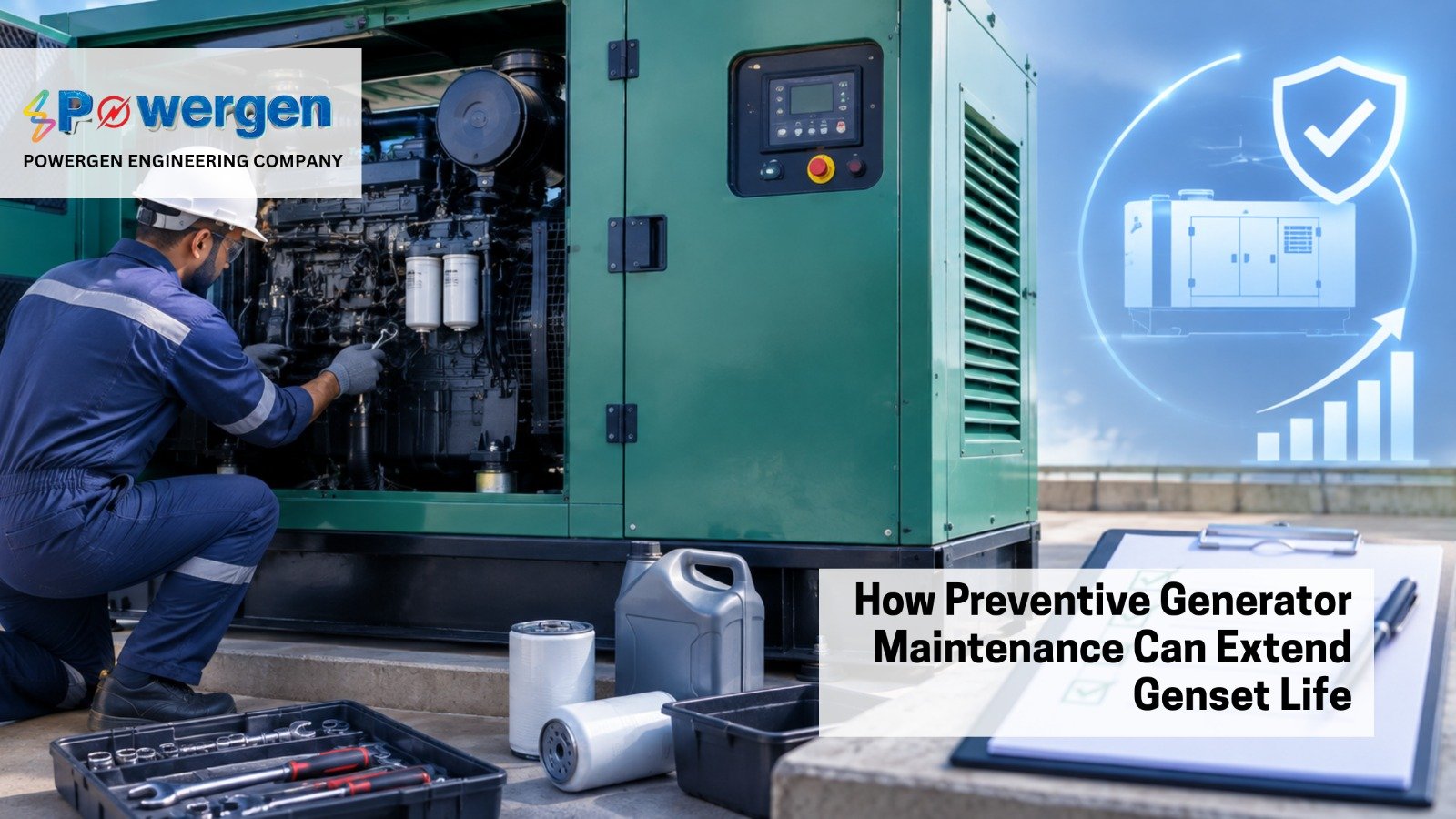
Preventive generator maintenance involves detecting any possible faults and solving them before they develop into more serious problems. This includes the inspection of the genset’s engine oil and coolant levels, batteries, electrical connections, filters, and fuel system.
For those businesses that require a reliable backup power supply, it may be important to undertake maintenance services of the genset.
What Is Preventive Generator Maintenance?
Preventive generator maintenance is a procedure whereby a genset undergoes inspection, service, and testing after specific intervals of time. Preventive generator maintenance does not wait for a genset to fail before it undergoes maintenance. It involves the regular inspection of key components by maintenance experts and subsequent replacement and repair of faulty components.
Examples of activities in a preventive generator maintenance program include:
- Engine oil and filter inspection
- Coolant level and radiator inspection
- Fuel system inspection
- Battery inspection
- Air filter cleaning or replacement
- Electrical connections inspection
- Exhaust system inspection
- Appropriate lubrication
- Control panel testing
- Generator load testing
- Leakage, unusual noise, and vibration inspection
The list of maintenance activities depends on the generator type, working hours, loads, and environment.
Why is Genset Maintenance Necessary?
Gensets usually lie idle for long and need to kick in right away at the time of power outage. In case no proper maintenance is done, the genset will either fail to start, work inefficiently, or break down at the very moment it is most needed.
Maintenance of Generator ensures that small problems are detected in time before turning into costly repairs and contributes to better genset performance.
In case of commercial and industrial enterprises, genset maintenance becomes absolutely necessary due to its influence on manufacturing, machinery, customer service, and general enterprise operations.
- Provides Better Longevity of the Genset
Greater longevity of the device is one of the main advantages that you get from preventive maintenance.
There are numerous components in the generator which need to work well for the smooth operation of the genset. All the parts such as oil, coolant, filters, batteries, belts, hoses, electrical contacts, and much more should work fine.
Thanks to the regular check-ups, it becomes possible to discover such issues as wear and tear, contamination, loose contacts, leakage, etc. in time. Thus, they help to avoid any additional load on the components, which will ensure their better longevity.
Hence, when the genset is properly maintained, it can operate for a long period without any problem.
- Prevents Unforeseen Generator Failure
Unforeseen generator failure can turn out to be very costly, particularly when there is a need for backup power generation.
Preventive Maintenance of Generators gives the technicians a chance to detect the problems before they result in a breakdown of the generator. The following are some of the factors that may seem small but they can affect the performance and starting of a generator; these include a weak battery, clogged air filter, low level of coolant and contaminated fuel.
- Increases Fuel Efficiency
Fuel use is one of the operational costs of diesel generators.
An inadequately maintained generator is likely to increase its fuel use since the engine is not performing optimally. These include clogged air filters, fuel delivery problem, poor lubrication, among others.
- Preserves the Engine
The engine is one of the key parts of a diesel generator. Lubrication and cooling are essential for protection of the engine from excessive heat and friction.
Periodic checking of engine oil and its timely change ensure the adequate lubrication. Coolant checking and radiator maintenance keep the engine cool.
The neglect of these maintenance needs will result in engine overheating, increase of friction, parts deterioration, and even severe engine damage.
The regular maintenance therefore plays a vital role in preserving the generator engine and prolonging its useful life.
- Maintains Battery and Starting System
Generators will be useless during power outage in case they fail to start when it is needed.
Problems with the battery are some of the causes for gensets not being able to start correctly. The batteries become discharged or damaged in case the generators are idle for a long time period.
The battery condition, terminals, the system of charging and connections can be checked by the maintenance workers. The early detection of the problem helps to avoid a failure to start the genset in case of emergency.
- Ensures Proper Functioning of the Cooling System
Generators generate a considerable amount of heat during their operation. The cooling system works to keep the engine at a proper temperature.
Inspection for maintenance purposes should include checking the level of coolant, radiator, hoses, and other components. Dirt, debris, leaks, and insufficient air flow can lead to poor cooling.
Routine cleaning and inspection will prevent overheating and damaging the generator’s engine parts due to excess heat.
- Ensures Proper Operation of the Electrical System
The generator has many electrical components, which need to work together to provide dependable backup power.
During the process of maintenance, the technician can check:
- Electrical connections
- Wires
- Control panels
- Systems of circuit protection
- Systems of alternator
- Voltage and frequency readings
- Battery charging systems
Damaged electrical connections can influence the functioning of the generator.
- Helps Detect Problems with the Fuel System
The quality of the fuel and the state of the fuel system affect the performance of the diesel generator.
Dirty fuel, moisture in the fuel, clogged filters or deposits can cause troubles with the engine. The inspection and servicing of the fuel system may be helpful for maintaining proper fuel supply.
For infrequently used generators, fuel management becomes more important. Proper storage and maintenance of the generator can help to avoid fuel-related issues.
- Saves on Repair Costs in the Long Term
Preventive maintenance implies regular expenses, but it can also help to avoid unexpected costs for repairs.
If a problem is detected during the inspection and is relatively small, it will take time to make some adjustments or replace the parts. However, the same problem, if neglected, can cause further damage to other parts of the generator, making the repair cost higher.
Preventive Generator Maintenance thus changes the focus from the repair to preventive measures helping companies save on maintenance costs.
- Increases Genset Reliability in Emergency Situations
There can always be situations where the power may fail unexpectedly. The genset may be necessary in case of storms, electrical malfunctions, electricity disruptions, or any other unexpected situation.
A well-maintained genset has higher chances of starting and operating in a reliable manner when backup power is needed.
Test running and inspections make it possible for organizations to spot problems before the real emergency takes place. It increases the reliability of the genset in case it is needed.
Generator Maintenance Activities to Follow
The generator maintenance process should be comprehensive enough to cover all the major components of the generator, including the mechanical, electrical, and fuel components.
The following maintenance activities can be considered:
Checking Engine Oil and Filters
Oil in the generator engine should be tested and changed based on manufacturer recommendations and operating conditions. Generator oil filters should also be tested and replaced when needed.
Air Filter Inspection
An air filter helps in ensuring proper airflow to the engine. If it is dirty, the efficiency of the engine is decreased.
Coolant and Radiator Inspections
Checking coolant levels, radiator, hoses, and airflow help in decreasing overheating.
Battery Testing
Voltage of the battery, terminals, wiring and charging ability must be tested to ensure reliable starting.
Fuel System Testing
The fuel filters, fuel hoses, tanks and other components must be inspected for contamination, leaks or other malfunctions.
Electrical Testing
The wires, terminals, control panels and other electrical parts must be inspected for loose connections or damage.
Load Testing
The regular load testing can help to check the efficiency of the generator when there is an appropriate electrical load. Load testing must be conducted in accordance with the manufacturer’s instructions.
How Often Should Generators Be Maintained?
The period between maintenance checks does not have a universal answer since it may depend on many factors including:
- Generator model and characteristics
- Operating hours
- Number of generator uses
- Conditions of its operation
- Fuel quality
- Generator installation environment
- Manufacturer recommendations
- Temperature and level of dust in the air
Generators which work often or in tough conditions may need to be maintained more regularly. The best thing is to establish the schedule of maintenance based on the manufacturer’s recommendations and actual working conditions of the genset.
Generator Maintenance by Professionals for Reliable Backup Power
Professional maintenance can offer a systematic way to ensure the genset remains well-functioning through a process of inspection of the essential components, detection of any problems, servicing, and suggesting corrective actions depending on the state of the generator.
Powergen Engineering Company offers various generator sets for different purposes and can deliver diesel generator sets starting from 30 KVA to 3000 KVA. Their range of products also includes silent generators, open frame generators, container generators, high voltage generators, and control panels.
For businesses and industries which require reliable backup power, it is possible to combine a suitable generator with Generator Maintenance.
Conclusion
Preventive Generator Maintenance is among the most effective methods to safeguard a genset and ensure its longevity. Proper inspection and maintenance can assist in avoiding sudden failures, increase efficiency, safeguard the engine, ensure electrical performance, and prevent emergency repairs that are expensive.
Battery, oil, cooling system, and load tests are among the few types of maintenance tasks that contribute towards the generator reliability. Organizations should thus consider generator maintenance as an integral part of operation instead of a repair process.
A proper maintenance program and qualified professionals will help organizations safeguard their backup energy source.
FAQs
1. What is Generator Maintenance?
Generator Maintenance involves the regular inspection, servicing, testing, cleaning, and replacement of components required to keep a generator operating safely and efficiently.
2. Why is preventive maintenance important for a genset?
Preventive maintenance helps identify potential problems before they result in major failures. It can improve reliability, support efficient operation, reduce unexpected downtime, and contribute to longer genset life.
3. How often should a diesel generator be maintained?
The maintenance frequency depends on the generator model, operating hours, usage pattern, environment, and manufacturer recommendations. A maintenance schedule should be established based on these factors.
4. Can Generator Maintenance improve fuel efficiency?
Yes. Proper maintenance of the engine, filters, fuel system, and other components can help the generator operate more efficiently, which may contribute to better fuel consumption.
5. What happens if a generator is not maintained?
Neglecting maintenance can increase the risk of starting problems, overheating, poor fuel efficiency, component wear, unexpected breakdowns, and expensive repairs.
6. Does a generator need maintenance even when it is rarely used?
Yes. A generator that remains unused can still develop issues involving batteries, fuel, fluids, filters, connections, and other components. Periodic inspection and testing help ensure it remains ready for operation.
7. What are the common Generator Maintenance tasks?
Common tasks include checking engine oil, filters, coolant, batteries, fuel systems, electrical connections, belts, hoses, control panels, and performing appropriate operational or load testing.
8. Can preventive maintenance extend genset life?
Yes. Regular inspection and timely servicing can help reduce excessive wear, identify problems early, protect major components, and support longer and more reliable genset operation.