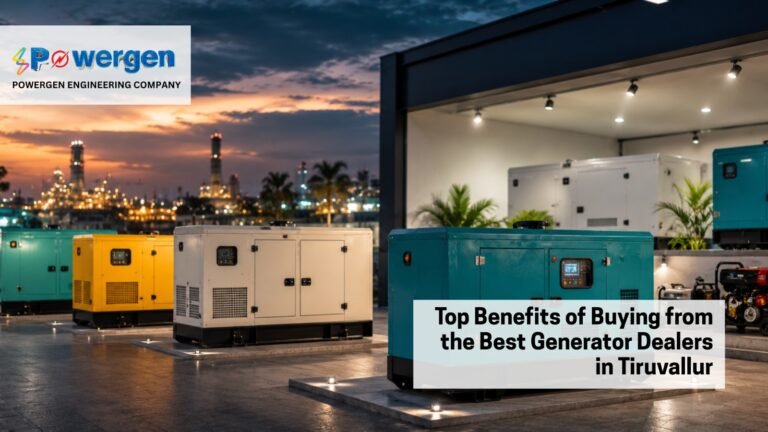
Generator Solutions for Factories, Warehouses and Commercial Buildings
The uninterrupted supply of power is required by factories, warehouses, offices, commercial buildings, and other business establishments. Modern businesses rely heavily on the electrical power supply for machinery, lighting, security, computer, HVAC systems, and many more. Any unplanned power cut could impact the productivity and continuity of the business.
This is the part where the reliability of Generator Solutions comes in. An appropriately chosen and well-installed generator could help provide power during power cuts in order to lessen the downtime of the company.
PowerGen Engineering Company offers diesel generators for various purposes such as industrial, commercial, and others with generator sets with different capacity choices that can suit user needs.
Reasons Why Businesses Require Reliable Generator Solutions
Power disruptions may arise due to electrical issues, maintenance procedures, weather factors, infrastructure issues, or sudden breakdowns. For any business that relies on electricity, power disruption may lead to various complications.
Some of the benefits of having a reliable generator solution include:
- Reducing operational downtime
- Keeping essential machinery running during power interruptions
- Serving as a basis for production operations
- Keeping security systems running
- Protection of electrical infrastructure
- Providing lighting and communication facilities
- Continuation of business activities
- Minimizing the effect of power disruptions
Instead of using a generator based on the building’s physical size, one needs to select the best backup generator based on the electrical requirements of the facility.
Generators for Factories
In factories or industrial manufacturing plants, electrical loads may be complicated or heavy. Equipment such as machines, compressors, pumps, conveyors, motors, and control systems can use considerable amounts of power.
With a well-considered design of the generator system, businesses will be able to supply emergency power to critical production systems and operations.
Factors That Should Be Considered When Selecting Generator Systems for Factories
To select a generator for a factory business, it is necessary to take into account:
Load:
Running load and starting load of connected equipment should be estimated.
Starting Load of Motors:
Large motors need more starting power, which should be taken into consideration when choosing generators.
Hours of Operation:
Generators should be selected according to operating time of the factory.
Expansion of Production:
It is necessary to consider future expansions of production in terms of additional machinery and increased production load.
Environment of Installation:
Ventilation, exhaust management, accessibility, space, and electrical installation are important components of installation of generators.
Professional load assessment can help to determine a generator configuration for the factory.
Generator Solutions for Warehouses
Warehouses require electricity for much more than just lighting purposes. Depending on the requirements of the business, an electrical installation in such facilities may comprise equipment for inventory control, CCTV cameras, access control systems, computers, ventilation, material handling, and temperature control systems.
The right generator solution would be able to keep the operations of the warehouse running smoothly in the event of power outage.
Applications in Warehouses
Backup generator can be used to:
- Lighting in warehouses
- CCTV and security systems
- Computers and networking systems
- Inventory management systems
- Material handling systems
- Ventilation systems
- Offices
- Important cooling or refrigeration systems
- Access control systems
A company can also determine which equipment is critical and non-critical and thereby make the backup generator work accordingly.
Generator Solutions for Commercial Buildings
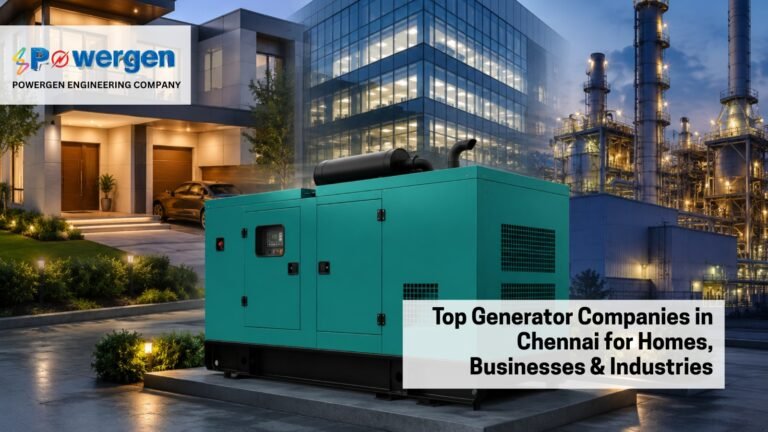
The commercial buildings have various energy needs. The office buildings, shopping places, hotels, education buildings, health care facilities, and business centers need back up energy supply for a number of important functions.
Based on the capacity of the generator and the energy needs of the buildings, the back up energy can be utilized for:
- Lighting system
- HVAC
- Elevators
- Security system
- CCTVs
- Computers and servers
- Communication system
- Pumps
- Safety systems
- And many other essential electrical items
The current product line of PowerGen comprises silent generators, open generator sets, containerized generators, high voltage generators, and synchronization panels.
How to Choose the Appropriate Generator Size
Choosing the appropriate generator size is among the most crucial stages in designing an efficient backup power system.
An inadequate generator will have difficulties managing the load, whereas an excessively large generator will lead to increased upfront cost and will be inefficient under certain loading conditions.
When selecting a generator, take into consideration:
- Total electrical load
- Maximum operating load
- Motor starting current
- Requirements of critical machinery
- Backup time requirement
- Expansion needs in the future
- Available installation area
- Ventilation requirements
- Fuel requirements
- Electrical distribution design
This task can be done by a professional generator supplier.
Silent and Open-Type Generator Options
Various operating conditions require different kinds of generators.
Silent Diesel Generators
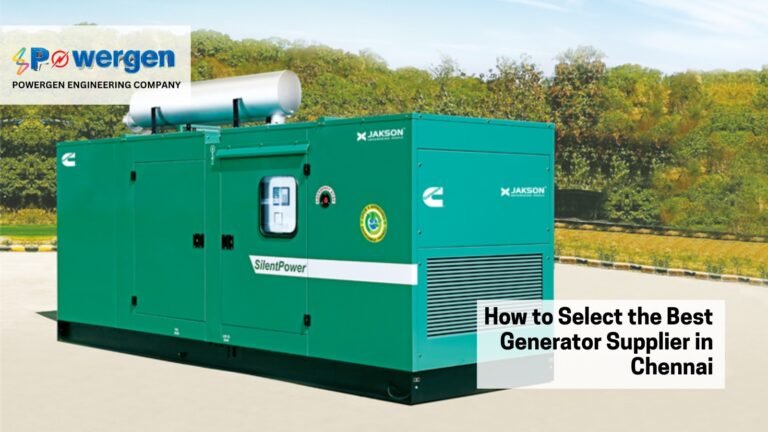
Silent generators have a noise reduction enclosure and could be appropriate for conditions where reducing the operating noise is a factor. Silent generators are applicable in offices, commercial buildings, residential sites, institutions, among others.
Open-Type Diesel Generators
Open generators are frequently applied in industrial settings where generators can be installed in an appropriate generator room or controlled location.
The decision between a silent and open-type generator must take into consideration the environment, noise requirement, available space, ventilation, among others.
Generator Installation and Commissioning
Installation of a generator goes beyond the simple placement of the equipment at the right place. This guarantees safety and reliability.
The steps of a generator installation process include:
- Site survey
- Load study
- Placement of generator
- Preparation of foundation
- Electrical connection
- Setting up control panels
- Exhaust system installation
- Fuel system arrangement
- Earthing
- Ventilation
- Automatic changeover arrangement
- Testing and commissioning
PowerGen supplies generators, generator installation and commissioning, and custom generator sets.
Generator Maintenance and Servicing
Maintenance is a vital element of the generator’s readiness to work. A generator may stay inactive for extended periods and then need immediate action in case of a power outage.
The process of preventive maintenance may include:
- Checking of engine oil
- Checking of coolant
- Battery check
- Air filter check
- Fuel system check
- Replacement of fuel filter
- Belts and hoses inspection
- Electrical connection check
- Exhaust system check
- Checking control panels
- Periodical loading tests
The schedule of maintenance should follow the guidelines from the generator manufacturer and from the operating conditions of the equipment.
The Importance of Professional Generator Support
Since the generator is a long-term investment, the business should take into account not only the initial price of the equipment but also such things like the sizing, installation, commissioning, maintenance, spare parts and technical support of the power backup system.
Professional generator supplier can assist a business in:
- Power requirement estimation
- Generator selection
- Customization of solutions
- Installation
- Commissioning
- Maintenance
- Technical support
- Spare parts supply
- Service needs in the future
According to PowerGen, the company provides generator sets with a wide range of capacities and supports various sectors including industrial, commercial, infrastructure, healthcare, construction, residential and others.
Generator Options for Various Industries
Generator requirements differ based on the type of industry and the environment where they need to be applied.
Manufacturing
Industrial manufacturing requires backup power for machinery, control systems, motors, and other equipment used in production.
Warehousing and Logistics
Backup generators may be needed at warehouses for lighting, security, inventory system, material handling, and other operations.
Commercial Buildings
Backup generator solutions can be used in offices, hotels, retail facilities, business centers for lighting, HVAC, elevators, and security systems.
Healthcare Facilities
Backup generator systems will ensure the reliability of electricity supply for important equipment, lighting, communication systems, and facilities.
Construction
Construction sites need a generator when it is impossible or not enough to use regular electricity.
A Reliable Generator Planning Solution
Companies need to plan their backup power needs before any power outage takes place. Planning will help you know what systems you need to maintain and the generator size necessary to cover them.
The plan should typically consist of the following steps:
Step 1: Electrical Load Assessment
Identify systems and equipment which need backup power.
Step 2: Critical Load Identification
Differentiate between the critical systems and the equipment that can be turned off during a blackout.
Step 3: Generator Size
Consider the running loads, starting loads, and future needs.
Step 4: Install the Generator
Calculate the space available, ventilation, exhaust, fueling, electrical connections, and safety requirements.
Step 5: Maintenance Planning
Create a schedule for generator maintenance.
Conclusion
Power is very vital in ensuring productivity and continuity of operations. Electrical power needs in factories, warehouses, and commercial buildings are different and thus their back up power solutions should be designed to meet their individual needs.
Generator Solution is one way through which companies can deal with power outages. Every step from designing to the installation and even maintenance of the Generator Solution should be carefully handled in order to ensure efficiency.
If you need Generator Solutions for your factory, warehouse, or commercial building, PowerGen can help you get diesel generator sets as well as other forms of power solutions that can meet your various industrial and commercial needs. The available services include generator sets, silent gensets, open type sets, containerized sets, high voltage generator sets, and synchronizing panels.
Frequently Asked Questions
1. What are Generator Solutions for factories?
Generator Solutions for factories are backup power systems designed to support essential industrial loads during electricity interruptions. The required generator capacity depends on machinery, production equipment, motor starting requirements, and other electrical loads.
2. Which generator is suitable for a warehouse?
The appropriate generator for a warehouse depends on its electrical load and critical systems. Lighting, security systems, inventory equipment, material-handling systems, and cooling equipment may need to be considered when selecting the generator capacity.
3. How do I choose the right generator capacity for a commercial building?
Generator capacity should be determined through a proper load assessment. The calculation should consider connected loads, maximum operating loads, motor starting requirements, critical equipment, and possible future expansion.
4. Are silent generators suitable for commercial buildings?
Yes. Silent generators can be considered for commercial environments where controlling generator noise is an important requirement. The final selection should depend on the building’s power requirements and installation conditions.
5. Why is professional generator installation important?
Professional installation helps ensure that the generator, electrical connections, exhaust system, ventilation, control systems, and other components are configured appropriately for safe and reliable operation.
6. How often should a diesel generator be maintained?
Maintenance intervals depend on the generator model, operating hours, usage conditions, and manufacturer’s recommendations. Regular inspections and preventive servicing help keep the generator prepared for operation.
7. Can PowerGen provide customized generator solutions?
Yes. PowerGen states that it provides generator systems that can be designed and customized according to user requirements, along with supply, installation, and commissioning support.
8. What industries can benefit from generator backup?
Factories, warehouses, commercial buildings, hospitals, construction sites, infrastructure projects, residential complexes, agriculture, mining, oil and gas facilities, and remote installations can have different requirements for backup power systems.
9. What services should I look for from a generator supplier?
Businesses can consider suppliers that provide support for generator selection, load assessment, installation, commissioning, maintenance, technical assistance, and long-term service requirements.
10. Why should businesses plan generator requirements in advance?
Advance planning allows businesses to identify critical electrical loads, determine suitable generator capacity, prepare the installation area, and establish a maintenance plan before an unexpected power interruption occurs.