What is the difference between a silent and open generator?
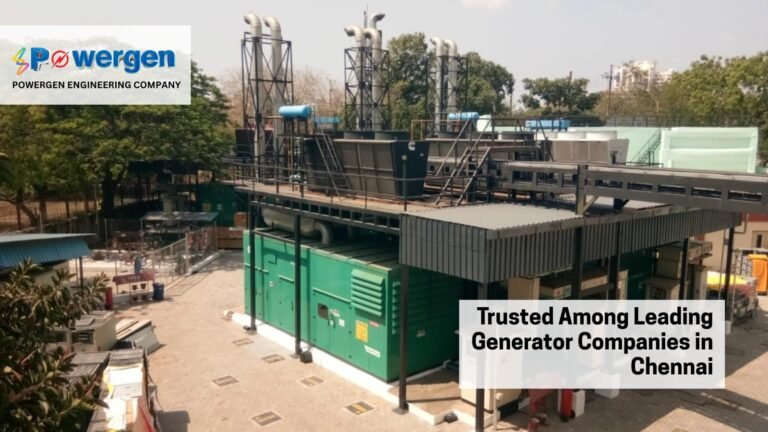
If you happen to be in the market for a backup power source, chances are that you may have stumbled upon these two terms which are ‘silent generator’ and ‘open generator’. Even though they perform essentially the same function of changing fuel into energy, these two generators have many differences ranging from design, noise pollution, costs, among others. Using one that suits you will help you avoid unnecessary noise complaints, higher costs, and even equipment that doesn’t suit your conditions.
In this article, we look at the difference between silent and open generators in detail.
Open Generator Definition
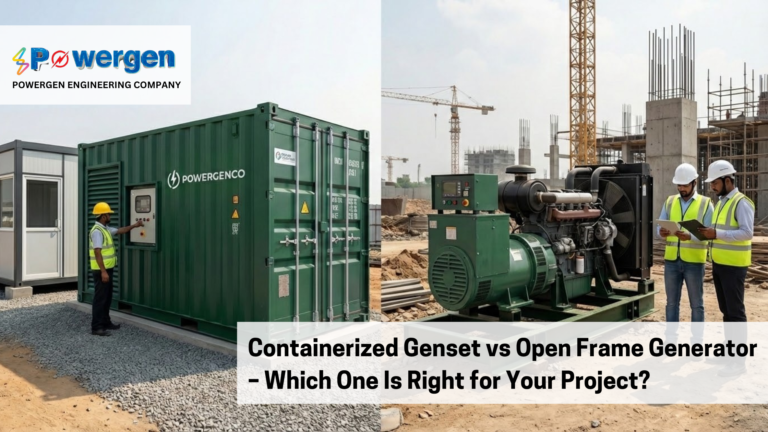
An open generator or skid mounted generator is a generator that does not have an enclosure that can protect it from noise. The engine, alternator, and control panels among others are left open or installed on a basic platform.
Key features of open generators include:
- No enclosure for acoustic purposes, hence higher noise levels
- Easy access to facilitate maintenance
- Cheaper initially
- Good cooling due to lack of enclosures
- More appropriate in areas that are outdoors, industrial or in the middle of nowhere where noise is not really an issue
Open generators are mainly used in construction sites, farms, mining and industrial plants among others that are noisy environments.
Silent Generator Definition
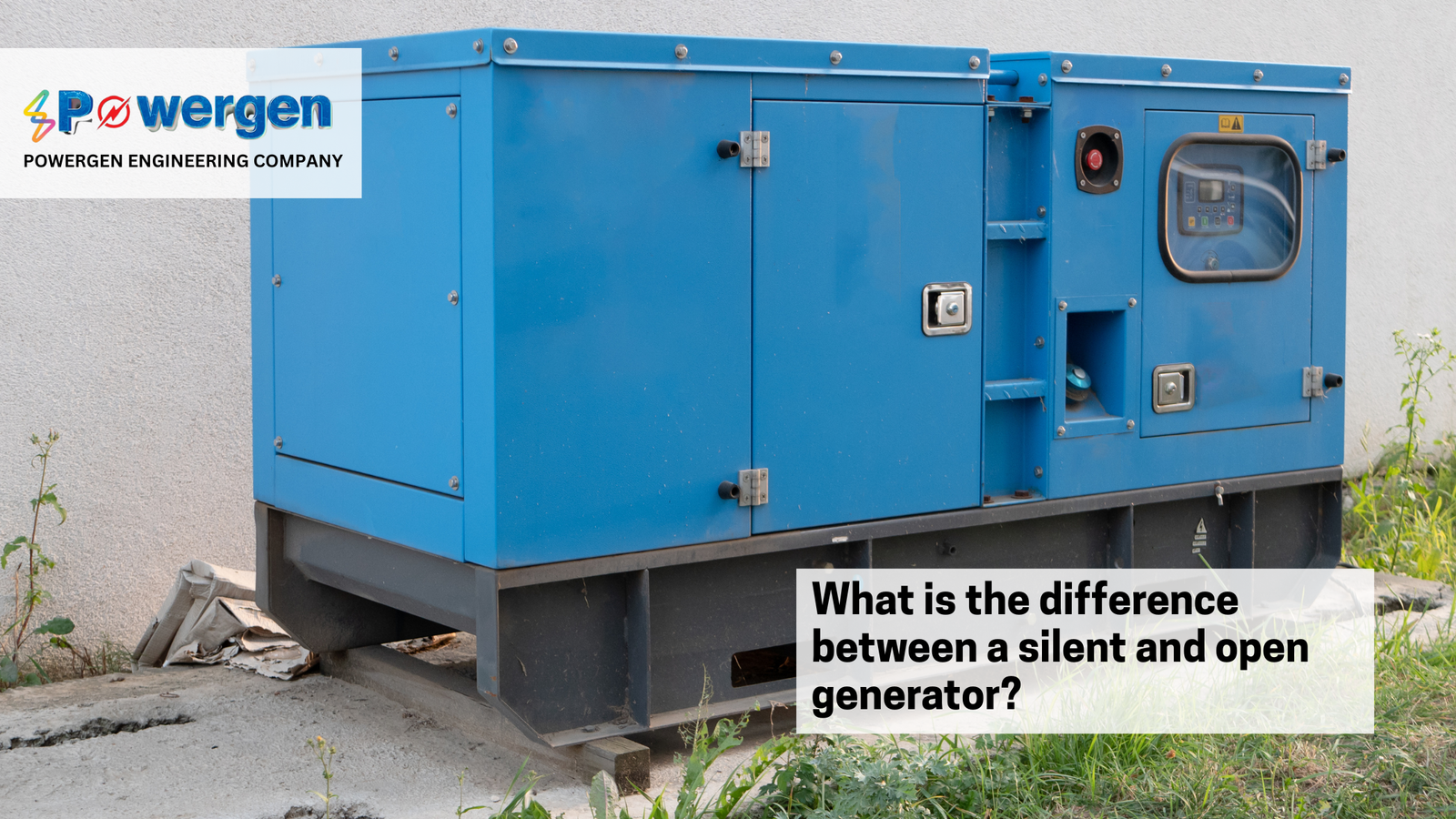
A silent generator, or sometimes known as acoustic or soundproof generator, is designed in such a way that it contains an enclosure that lowers the amount of operational noise. This is achieved through the use of materials that absorb the sounds as well as insulating panels.
Main Features of Silent Generators:
- Considerably low noise level up to 65-75 dB at a distance
- Weatherproof and dust-resistant body design
- Attractive and cleaner look
- More expensive than normal generators due to the acoustic enclosure
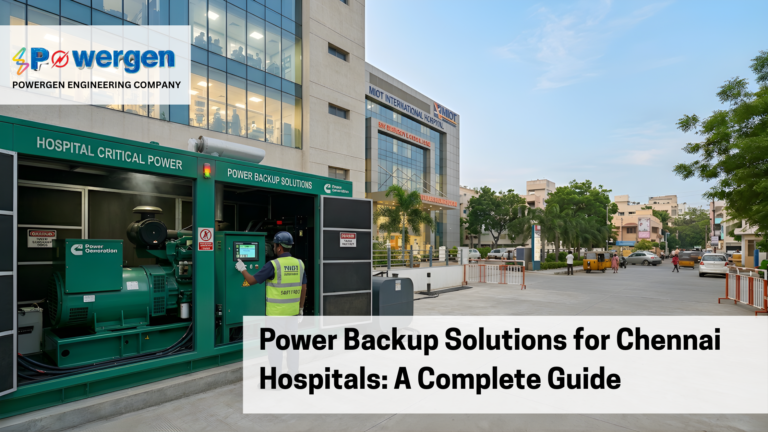
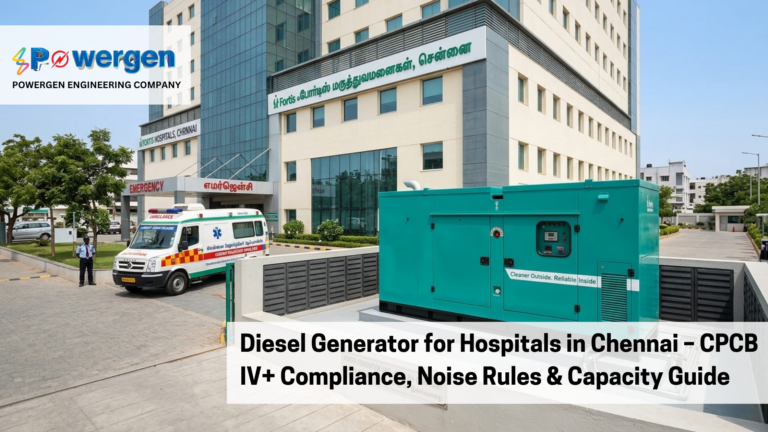
- Good for hospitals, office blocks, apartment buildings, hotels, and events
Silent generators are preferred where low noise level is needed such as hospitals, IT offices, shops, or residential communities with gates.
Silent Generator vs Open Generator: Key Differences
Feature | Open Generator | Silent Generator |
Noise Level | High (often 90+ dB) | Low (typically 65-75 dB) |
Enclosure | None or minimal | Fully soundproof canopy |
Cost | Lower upfront cost | Higher upfront cost |
Maintenance Access | Easy and quick | Slightly more involved |
Best Use Case | Industrial, outdoor, remote sites | Homes, offices, hospitals, events |
Weather Protection | Limited | Enhanced protection |
Appearance | Basic, functional | Compact, professional finish |
Which One to Go For?
It all comes down to your intended location and purpose of using the generator.
Open Generator:
- If you need the generator for a construction site, farm or industrial use.
- Noise doesn’t matter a lot in your surroundings.
- I want a relatively cheaper option for backup power.
- Easy maintenance is your top concern.
Silent Generator:
- For power backup at your residential place, office or hospital.
- There are noise restrictions due to noise pollution norms in your locality or if you are living in a housing society.
- Need a more professional installation of the generator.
- If your generator will be used for long hours near occupied spaces.
Why Noise Pollution Matters A Lot?
Besides causing you discomfort, noise pollution generated by generators could result in neighbor complaints, violations of noise pollution norms, and could even create legal trouble for you if you are in a housing society or commercial complex.
Concluding Remarks
Though the silent generator and the open one have the same basic functionality of offering an alternative power supply in case of failures, they are suitable for entirely different environments. The open generator gives more advantages in terms of saving money and easy maintenance, when the silent generator is much more suited for use in residential and office settings.
In Powergen, we can assist our clients in choosing the appropriate type of generator according to their needs and budget. Be it an open type of generator for use at the industrial facility or a silent generator, we will make sure that our customers get what they really need.
If you need any assistance in choosing the generator type, contact us now!
FAQs
- What is the difference between a silent and open generator?
A silent generator is enclosed in an acoustic canopy designed to reduce operating noise, while an open generator has an exposed engine and alternator and generally produces more noise. - Which is better for residential use, a silent or open generator?
Silent generators are generally preferred for residential areas because their acoustic enclosure helps reduce noise during operation. - Are open generators suitable for industrial applications?
Yes. Open generators can be suitable for industrial applications where noise control is less important and the generator is installed in an appropriate dedicated area. - Are silent generators more expensive than open generators?
Silent generators can have a higher initial cost because they include an acoustic enclosure and additional components designed for noise reduction. - Do silent generators require more maintenance?
Both silent and open generators require regular servicing and maintenance. The maintenance schedule depends on the generator model, usage, operating conditions, and manufacturer recommendations. - Can an open generator be installed outdoors?
An open generator requires suitable protection from weather, dust, and other environmental conditions. Proper installation and ventilation are important for safe operation. - Are silent generators completely noise-free?
No. Silent generators are not completely silent. They are designed to significantly reduce operating noise compared with conventional open generators. - Which generator is suitable for offices and commercial buildings?
A silent generator can be a practical option for offices, commercial buildings, hospitals, and other locations where controlling noise is important.